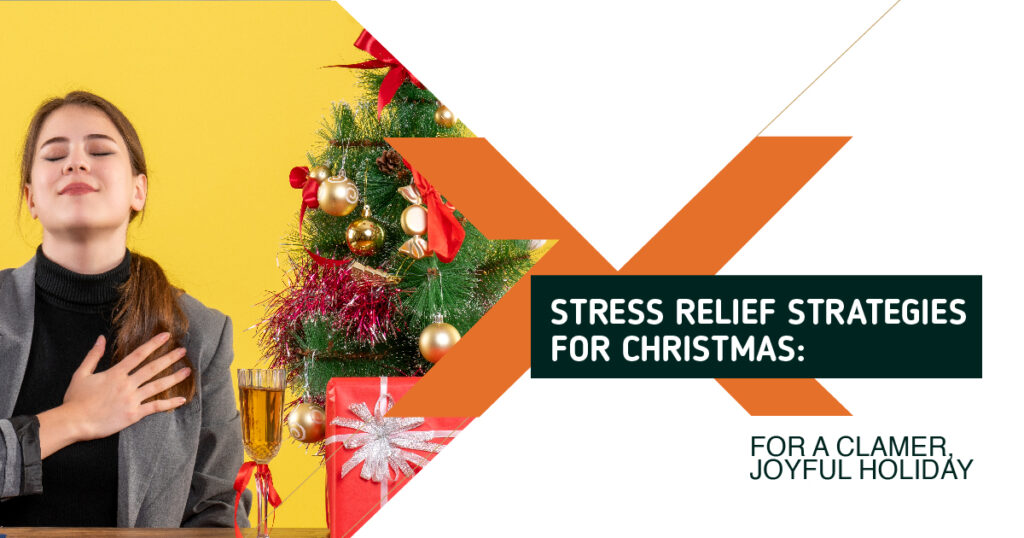
The Christmas season often arrives with twinkling lights, festive gatherings, and cultural expectations of joy. But behind the celebrations, many people struggle with holiday anxiety, burnout, financial pressure, and emotional exhaustion. The demands of planning, decorating, cooking, gift-giving, coordinating travel, and navigating family relationships can make this time of year feel less peaceful than expected. For those living with anxiety, grief, or recovery challenges, the holiday stress can intensify, making it crucial to develop stress relief strategies for Christmas that create space for calm, intention, and emotional balance.
This season does not have to be overwhelming. With mindful planning, healthy boundaries, self-care, and winter relaxation techniques, it’s possible to experience more joy and less pressure. The goal isn’t to craft a perfect holiday – it’s to cultivate a meaningful one where peace, connection, and wellbeing are prioritized over expectations. These strategies can help guide you toward a calmer Christmas that feels grounded, sustainable, and emotionally supportive.
Understanding Holiday Stress and Why It Peaks During Christmas
Holiday stress is layered. It comes from environmental changes, emotional triggers, social expectations, and financial obligations. Understanding the roots of holiday tension makes it easier to create coping plans that actually work.
Common triggers for holiday stress include:
- Holiday self-care neglect, especially when focusing on others
- Managing holiday anxiety around social events or obligations
- Budget pressure from gift planning or travel
- Time constraints with work and family responsibilities
- Emotional overload from gatherings or expectations
- Grief, loneliness, or seasonal depression during the winter months
- Family conflict or unresolved tension
- Perfectionism, fueled by holiday imagery and media
Acknowledging these stressors is the first step toward creating a holiday experience rooted in calm rather than chaos.
Holiday Self-Care Rituals for Calmer Days
Self-care during Christmas often becomes an afterthought. But this season, supporting your emotional, mental, and physical well-being is essential to reducing stress. Holiday self-care doesn’t have to be elaborate – it can be simple rituals that offer grounding and comfort.

Effective holiday self-care rituals include:
- Setting aside morning quiet time before the day becomes busy
- Warming winter rituals, such as herbal tea, candles, or aromatherapy
- Scheduling downtime, not just events
- Decluttering your environment to reduce overstimulation
- Taking mindful walks in nature or around decorated neighborhoods
- Practicing gentle movement, like stretching, yoga, or tai chi
- Creating a holiday playlist that brings comfort instead of pressure
Below is a table summarizing common holiday stress symptoms and matching self-care strategies.
Matching Holiday Stress Symptoms with Self-Care Solutions
| Stress Symptom | Helpful Self-Care Strategy | Benefit |
| Irritability | Quiet morning routine | Creates emotional stability |
| Overwhelm | Scheduled downtime | Prevents burnout |
| Anxiety | Mindful breathing or grounding | Calms the nervous system |
| Fatigue | Gentle movement | Increases energy |
| Loneliness | Connecting with supportive friends | Builds emotional warmth |
Small rituals make a meaningful difference in how you navigate the season.
Managing Holiday Anxiety with Practical, Realistic Steps
Holiday anxiety can stem from travel, gatherings, finances, expectations, or trying to fit too much into a short period of time. With realistic planning and emotional awareness, anxiety becomes easier to manage.
Practical ways to reduce holiday anxiety include:
- Prioritizing what matters most instead of saying yes to everything
- Preparing early to avoid last-minute stress
- Being honest about emotional limits
- Setting boundaries around people, time, or commitments
- Using winter relaxation techniques, such as warm baths, breathwork, or cozy environments
- Limiting social media, especially curated holiday content that triggers comparison
Anxiety tends to grow when we ignore our needs; being intentional helps keep it manageable.
Christmas Mindfulness Exercises for Daily Calm
Mindfulness slows down the holiday rush and helps bring awareness back to the present moment. These exercises can be easily integrated into daily routines.
Mindfulness exercises for Christmas include:
- Five-minute breathing routines to reset the mind
- Mindful candle lighting, focusing on warmth, light, and gratitude
- Sensory grounding, such as noticing winter smells, textures, and sounds
- Mindful eating practices, especially during holiday meals
- Single-tasking, doing one thing at a time intentionally
- Journaling nightly reflections on moments of peace, not perfection
Mindfulness reduces stress by reminding the body and mind to slow down, breathe, and connect to the present.
Festive Time Management to Reduce Stressful Overload
Time management is essential during Christmas because there are more tasks, more commitments, and less downtime. Effective planning reduces chaos and creates more space for calm.
Helpful festive time management strategies include:
- Breaking tasks into small steps
- Creating a holiday calendar to visualize commitments
- Batch-shopping gifts, groceries, or decor
- Meal prepping for busy days
- Delegating holiday tasks, such as cooking or decorating
- Protecting buffer time for rest or transportation
Time management also supports budget-friendly gift planning, helping individuals stay organized financially and emotionally.
Budget-Friendly Gift Planning for Reduced Financial Stress
Holiday spending is one of the most common triggers for Christmas stress. Planning ahead, being realistic, and choosing meaningful gifts can reduce emotional and financial pressure.
Ways to plan budget-friendly gifts include:
- Setting a spending limit for each person
- Using early sales or discount stores
- Creating handmade gifts such as baked goods, crafts, or personal notes
- Organizing group gifts to reduce individual expense
- Suggesting a gift exchange for large families
- Tracking spending to stay within budget
Below is a table outlining effective strategies for stress-free holiday spending.
Financial Planning Tools for a Calmer Christmas
| Planning Tool | How It Helps | Ideal For |
| Gift budget tracker | Prevents overspending | Large families or group celebrations |
| Early shopping schedule | Reduces last-minute stress | Busy professionals |
| Handmade gift ideas | Saves money | Creative individuals |
| Group gift approach | Lessens financial pressure | Big families or friend groups |
| Spending caps | Maintains control and boundaries | Families with varying budgets |
Financial mindfulness allows the holiday to feel more meaningful, less pressured.
Winter Relaxation Techniques for Emotional Balance
Relaxation during winter months is especially important because cold, dark days can affect mood and motivation. Incorporating winter relaxation techniques helps regulate the nervous system and reduce holiday tension.
Calming winter relaxation practices include:
- Warm baths with Epsom salts or calming scents
- Weighted blankets for grounding
- Slow winter walks, even for a few minutes
- Warm beverages, like chamomile tea or spiced cider
- Cozy environments, featuring soft lighting or blankets
- Breathing routines, such as the 4-7-8 technique
- Quiet winter evenings reserved for rest
These practices help the season feel soothing rather than stressful.
Coping With Family Gatherings and Holiday Boundary Setting
Family gatherings can be joyful, complicated, or stressful – sometimes all at once. Boundaries are essential for protecting emotional well-being while still participating in holiday traditions.

Healthy holiday boundary-setting strategies include:
- Determining what events you can realistically manage
- Preparing scripts for declining or adjusting plans
- Limiting time at gatherings if needed
- Taking breaks during the event for emotional decompression
- Communicating triggers with trusted family members
- Leaving early when your limit is reached
Boundaries are not barriers – they are protective frameworks that allow you to show up authentically and safely.
A Season of Peace: Connect With Addiction-Free Recovery
Whether you’re dealing with holiday burnout, emotional overwhelm, financial stress, or the pressure of expectations, you deserve a calmer Christmas rooted in wellbeing. Compassionate support is available to help you move through the season with strength, clarity, and emotional balance.
Reach out to Addiction Free Recovery to explore professional care, mental health support, and personalized guidance designed to bring peace into your holiday season and beyond.
FAQs
What are effective holiday self-care rituals to ensure calmer days during Christmas?
Holiday self-care rituals include creating morning quiet time, relaxing with warm beverages, practicing stretching or breathing exercises, and scheduling intentional breaks. These rituals prevent emotional burnout and bring more balance into busy holiday days. They also create grounding moments that help reduce overall stress.
How can one manage holiday anxiety with practical steps to enjoy the festive season?
Managing holiday anxiety involves realistic planning, setting emotional limits, reducing comparison through social media breaks, and pacing daily activities. Grounding techniques such as deep breathing and warm winter rituals also help reduce anxious thoughts. Making space for rest creates a more peaceful holiday experience.
What are some Christmas mindfulness exercises that can help maintain daily calm?
Helpful mindfulness exercises include mindful candle lighting, sensory grounding, slow breathing, present-moment reflections, and mindful eating during holiday meals. These practices encourage the mind to slow down and reduce overwhelm. Practicing even a few minutes each day can dramatically improve emotional stability.
How can festive time management improve budget-friendly gift planning?
Using a holiday calendar, breaking tasks into steps, and shopping early can simplify gift planning. Creating a budget, using discount opportunities, and choosing handmade or group gifts help reduce financial stress. Organized time management ensures gift-giving feels meaningful instead of rushed.
What are the best strategies for coping with family gatherings and setting holiday boundaries?
Effective boundary strategies include limiting how long you stay at gatherings, communicating needs clearly, and leaving early when your emotional limit is reached. Taking breaks during events and avoiding triggering conversations can also help maintain peace. Boundaries protect your mental health and allow you to enjoy the holiday more fully.