
Key Takeaways
- Hangxiety is the wave of anxiety, dread, and guilt that hits the morning after drinking, and it has real, measurable causes rooted in brain chemistry.
- Common hangxiety symptoms include a racing heart, restlessness, shakiness, and a mind that keeps replaying the night before.
- Dehydration, disrupted sleep, and a cortisol spike all make hangover anxiety worse.
- Fast hangxiety remedies include rehydrating, eating balanced food, gentle movement, and slow breathing.
- Frequent or severe post-drinking anxiety can be a warning sign of a deeper problem with alcohol that deserves professional support.
You had a great night out, but the next morning tells a different story. You wake up with your heart pounding, your thoughts racing, and a heavy sense of dread you cannot quite explain. That uncomfortable mix of hangover and worry has a name: hangxiety. It is far more common than most people admit, and it is not a sign of weakness or overthinking. Hangxiety comes from real changes in your brain and body as they recover from alcohol. In this guide, you will learn why post drinking anxiety happens, how to spot hangxiety symptoms early, and which hangxiety remedies actually help you feel steadier fast. We will also cover when morning after anxiety points to something more serious.
What Is Hangxiety and Why It Happens After Drinking
Hangxiety combines the words “hangover” and “anxiety.” It describes the worry, guilt, irritability, and physical tension many people feel in the hours after drinking. Unlike ordinary stress, this anxiety is tied directly to how your body processes alcohol. It can range from mild unease to a full sense of panic, and it often peaks the morning after a night out.
The Science Behind Post Drinking Anxiety
Alcohol is a central nervous system depressant. While you are drinking, it slows brain activity and creates a temporary feeling of calm, confidence, and lowered inhibition. The problem starts once your body begins clearing the alcohol. Your brain adapted to alcohol’s calming presence, so when it leaves, the system overcorrects. That rebound, an overstimulated and on-edge nervous system, is what you experience as hangxiety. Research suggests that roughly one in five drinkers reports anxiety during a hangover, so if this sounds familiar, you are far from alone.
How Alcohol Affects Your Brain Chemistry
Two brain chemicals do most of the heavy lifting. Alcohol boosts GABA, the neurotransmitter that calms you and lowers your guard, while suppressing glutamate, which normally keeps you alert. As the alcohol wears off, the pattern flips: GABA drops and glutamate surges, leaving your brain overexcited and anxious. At the same time, alcohol drives up cortisol, your main stress hormone, and keeps your body in a low-grade fight-or-flight state. It also suppresses REM sleep, the stage where your brain processes emotions and files away stress. Combine that chemical whiplash with dehydration and low blood sugar, and you have the perfect setup for alcohol anxiety.
Recognizing Hangxiety Symptoms the Morning After
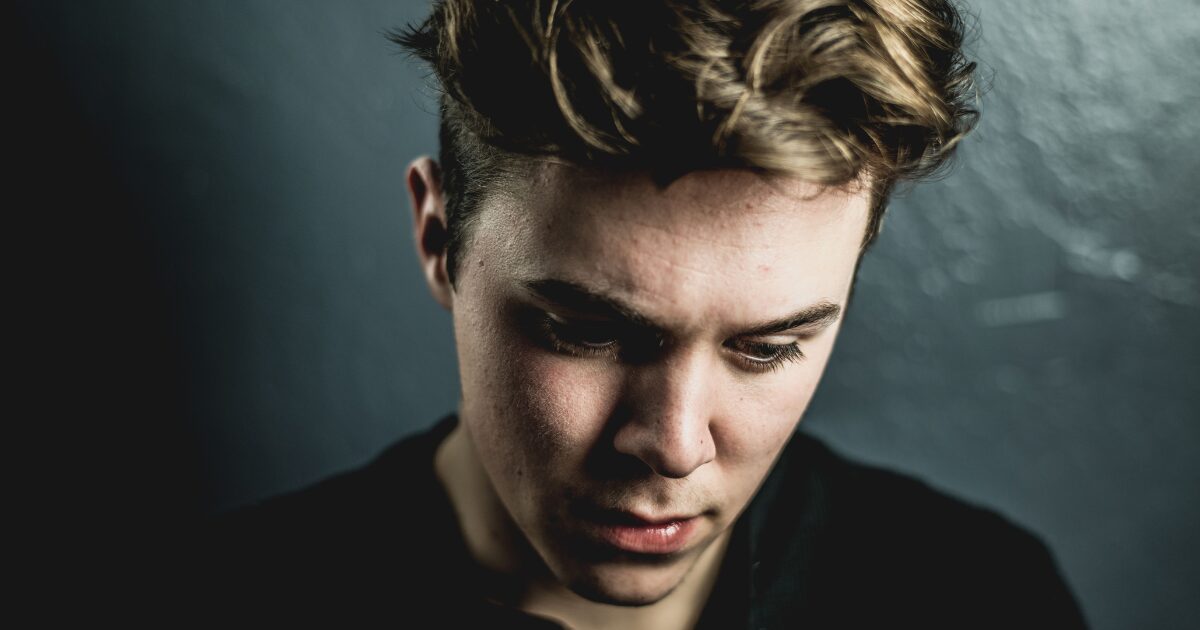
Hangxiety shows up as a mix of mental and physical distress. Mentally, you might notice racing or spiraling thoughts, a sense of dread, guilt or embarrassment about the night before, trouble concentrating, and irritability. Many people describe an urge to replay every conversation, convinced they said or did something wrong. These feelings can be intense even when nothing actually went wrong.
Physical Signs That Accompany Mental Distress
The mental side of hangxiety rarely comes alone. Physical hangxiety symptoms often include a racing or pounding heart, sweating, shakiness or trembling, nausea, headache, muscle tension, and restlessness. Because these sensations mirror the body’s stress response, they can feed the anxiety in a loop: your racing heart makes you feel more anxious, which makes your heart race even more. Recognizing this cycle is the first step to breaking it.
The Connection Between Hangover Depression and Anxiety
Anxiety rarely travels alone the morning after. Many people also feel a flat, low mood that some call hangover depression. Drinking briefly spikes feel-good chemicals like dopamine and serotonin, but as the alcohol clears, those levels crash. The result can be sadness, hopelessness, or emotional numbness layered on top of the worry. Anxiety and depression often amplify each other, which is why the morning after a heavy night can feel so bleak. In most cases these feelings lift within a day, but when they linger, they deserve closer attention.
Why Some People Experience Worse Morning After Anxiety Than Others
Not everyone gets hangxiety, and it is usually more intense for some people than others. Genetics influence how quickly you process alcohol and how strong your hangover feels. People who already live with anxiety are especially vulnerable. Personality matters too: a University of Exeter and UCL study found that highly shy people experienced a significant spike in anxiety the day after drinking, and that this hangxiety was linked to a higher risk of alcohol use disorder. Sleep quality, how much you drank, and whether you ate all play a role as well.
Immediate Remedies to Reduce Hangover Anxiety
When hangxiety hits, small, practical steps can calm your body and quiet your mind. There is no instant hangxiety cure, but the right hangxiety remedies ease the symptoms and help your system rebalance faster.
Hydration and Nutrition as First-Line Solutions
Alcohol is dehydrating, and dehydration worsens both physical and mental symptoms. Start with water or an electrolyte drink and keep sipping through the day. Eat a balanced meal with complex carbohydrates, protein, and healthy fats to steady your blood sugar, which often crashes after drinking. Go easy on caffeine, since it can spike your heart rate and make anxiety worse. A banana, eggs, whole-grain toast, or a bowl of oatmeal are gentle, stabilizing choices.
Movement and Breathing Techniques for Quick Relief
Gentle movement helps burn off excess cortisol and releases mood-lifting endorphins. A short walk, light stretching, or easy yoga is enough; this is not the day for an intense workout. Pair movement with slow, controlled breathing to switch off the fight-or-flight response. Try box breathing: inhale for four counts, hold for four, exhale for four, and hold for four, then repeat for a few minutes. Grounding techniques, like naming five things you can see and hear, can also pull you out of a spiral.
Long-Term Strategies to Prevent Alcohol Anxiety
The most reliable way to prevent hangxiety is to change your relationship with alcohol. Drinking less, or not at all, removes the chemical rebound that drives the anxiety in the first place. If you do drink, pace yourself, alternate alcoholic drinks with water, and never drink on an empty stomach. Prioritize sleep, since poor rest makes anxiety harder to manage. It also helps to notice why you drink. If alcohol has become your main tool for easing stress or social nerves, finding healthier coping strategies can break the cycle before it deepens. Regular exercise, mindfulness, and strong social support all build resilience against everyday anxiety.
When Hangxiety Signals a Deeper Issue With Substance Use
Occasional hangxiety after a big night is common. But when morning-after anxiety becomes frequent, severe, or a reason you keep drinking to avoid it, that is a red flag. Watch for signs like needing alcohol to relax, drinking more to get the same effect, failed attempts to cut back, or anxiety and low mood that stretch well beyond the hangover. Using alcohol to quiet anxiety can quietly build into dependence, where drinking causes the very anxiety it once seemed to relieve. If that pattern sounds familiar, it is worth talking to a professional, not as a last resort, but as a smart, early step.
Getting Professional Support at Addiction Free Recovery Services
If hangxiety keeps returning or you are worried about your drinking, you do not have to figure it out alone. Addiction Free Recovery Services offers compassionate, judgment-free support for people navigating alcohol use and the anxiety that can come with it. Whether you need guidance, an assessment, or a full treatment plan, reaching out early makes recovery easier. Contact our team today to talk with someone who understands and to take the first step toward feeling like yourself again.

FAQs
-
How quickly do hangxiety symptoms fade after drinking alcohol the night before?
For most people, hangxiety symptoms peak within the first several hours after waking and ease as the day goes on. They usually resolve within 24 hours, once your body rehydrates, your blood sugar stabilizes, and your brain chemistry rebalances. Water, food, rest, and gentle movement can speed up the process.
-
Can hangover anxiety last longer than typical hangover symptoms like headaches?
Yes. For some people, hangover anxiety outlasts physical symptoms such as headache and nausea. This is more likely if you already experience anxiety, drank heavily, or slept poorly. If anxiety consistently lingers for a day or more after drinking, it is a sign worth paying attention to.
-
What’s the fastest way to calm post-drinking anxiety without medication?
Start by rehydrating and eating a balanced meal, then use slow, controlled breathing to calm your nervous system. A short walk, light stretching, and grounding techniques can also bring quick relief. Avoid caffeine, which can heighten a racing heart and make anxiety worse.
-
Does hangxiety get worse with age or increased alcohol consumption over time?
It can. As you age, your body often processes alcohol less efficiently, which can intensify hangovers and the anxiety that comes with them. Drinking more heavily or more often over time can also worsen the chemical rebound and increase the risk of alcohol-related anxiety and dependence.
-
How can I tell if my hangover depression is normal or needs professional help?
Short-lived low mood that lifts within a day is a common part of a hangover. Seek professional help if hangover depression is intense, lasts more than a day or two, includes any thoughts of self-harm, or keeps returning after you drink. Persistent low mood tied to alcohol is a signal to talk with a qualified provider.
References
- The Conversation. Why do I get so anxious after drinking? Here’s the science behind ‘hangxiety’
- Marsh, B. et al., Personality and Individual Differences. Shyness, alcohol use disorders and ‘hangxiety’: A naturalistic study of social drinkers
- University of Exeter (ScienceDaily). ‘Hangxiety’ higher in shy people
- Newport Institute. Hangxiety: The Link Between Alcohol and Anxiety