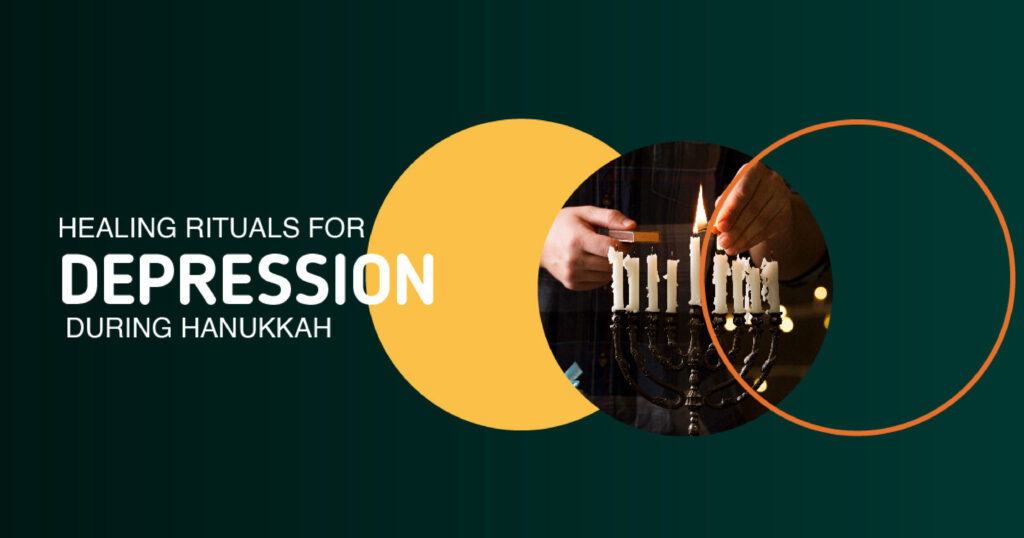
Hanukkah is often portrayed as a time of joy, warmth, family connection, and celebration – the festival of lights that symbolizes perseverance and hope. Yet for many individuals, this season can bring emotional challenges that make it difficult to experience the holiday in the way they believe they “should.” Depression during Hanukkah is more common than many realize, and it often intersects with seasonal affective disorder, loneliness, grief, and the pressure to meet family expectations. Rather than feeling uplifted by glowing menorahs or festive gatherings, some people experience heaviness, anxiety, or painful memories that surface during this time of year.
This tension between the cultural narrative of celebration and the internal experience of sadness can leave people feeling isolated or ashamed. But emotional struggle during the holidays is not a personal failing – it’s a human response to stress, loss, or changing mental health needs. Hanukkah can still be meaningful, comforting, and healing, even for those facing emotional challenges. With intentional support, grounding rituals, community connections, and mental health care, individuals can create space for light even when the season feels dark.
Understanding Depression During Hanukkah
Experiencing depression during Hanukkah does not always look dramatic or obvious. It may appear as emotional numbness, irritability, difficulty finding joy, or dread about holiday gatherings. Both seasonal affective disorder and holiday blues can influence mood, energy levels, motivation, and self-worth. Cultural and religious expectations can also intensify emotional pressure, especially when individuals feel disconnected from family celebrations or traditions.
Common contributors to depression during Hanukkah include:
- Seasonal affective disorder, triggered by decreased sunlight and colder weather
- Hanukkah loneliness, especially for those living far from family or isolated in their community
- Grief during holidays resurfaces memories of loved ones who have passed
- Family expectations stress, including conflicts, financial strain, or pressure to appear cheerful
- Burnout and exhaustion from work or caregiving responsibilities
- Emotional overwhelm caused by balancing rituals, schedules, or cultural obligations
Understanding these contributors helps individuals approach Hanukkah with more compassion for their emotional experience and with tools that offer meaningful support.
Recognizing the Emotional Landscape of Hanukkah
It’s important to recognize how depression can impact the way the holiday feels. Some individuals may struggle with meaning, connection, motivation, or identity during Hanukkah. Others may experience internal conflict when their personal emotional state does not match the external celebration happening around them.

Signs of holiday-related depression may include:
- Withdrawing from gatherings or traditions
- Difficulty experiencing joy
- Feeling disconnected from rituals
- Loss of appetite or increased emotional eating
- Changes in sleep patterns
- Persistent sadness, emptiness, or hopelessness
- Increased irritability, sensitivity, or overwhelm
These signs often go unnoticed because holiday responsibilities encourage people to “push through.” Recognizing them early allows individuals to find support before their symptoms escalate.
Coping Strategies for Hanukkah Depression and Holiday Blues
Healing during Hanukkah does not require perfection—it requires intention. Grounding practices, emotional awareness, and small acts of self-nurturing can help individuals move through the season with greater compassion for themselves.
Helpful coping strategies include:
- Creating new traditions that align with one’s emotional needs
- Practicing gentle boundaries around events, gatherings, or obligations
- Setting realistic expectations for energy levels and participation
- Engaging in grounding rituals, such as lighting candles mindfully
- Seeking sunlight or using light therapy for seasonal affective disorder
- Journaling emotional experiences, gratitude, or spiritual reflections
- Prioritizing rest and sleep to support mood stability
- Connecting with the community through synagogue events or local Jewish groups
Below is a table summarizing effective coping strategies for holiday-related depression.
Coping Tools for Depression During Hanukkah
| Emotional Challenge | Helpful Coping Strategy | How It Helps |
| Seasonal affective disorder | Light therapy, outdoor walks | Balances circadian rhythm and boosts mood |
| Hanukkah loneliness | Connecting online or attending community programs | Provides belonging and reduces isolation |
| Holiday blues | Mindful rituals and reduced commitments | Slows overwhelm and supports emotional clarity |
| Grief during holidays | Honoring loved ones in ritual or prayer | Helps integrate loss and create comfort |
| Family expectations stress | Clear boundaries and communication | Minimizes emotional burnout |
Each strategy can be adapted to meet a person’s cultural, spiritual, or emotional comfort level.
Navigating Hanukkah Loneliness and Grief During the Holidays
Loneliness and grief often intensify during Hanukkah, especially when family traditions involve people who are no longer present. Empty chairs at the table, cherished memories, or unresolved relationships can bring emotional weight.
Ways to navigate loneliness and grief include:
- Lighting a candle in memory of a loved one
- Talking to trusted friends or family about your feelings
- Participating in online Jewish community spaces
- Creating a meaningful ritual, like writing a letter or a prayer
- Engaging in gentle acts of kindness to restore connection
Grief also affects energy and mood, and it’s normal if celebrating feels different this year. Compassion – not pressure – should guide the holiday experience.
Understanding Family Expectations Stress During Hanukkah
Family gatherings often bring both warmth and discomfort. Expectations about participation, emotional availability, or traditional roles can increase stress. When depression is present, these expectations can feel overwhelming.
Healthy ways to navigate stress include:
- Setting clear boundaries about time and energy
- Communicating needs early and gently
- Letting go of perfection or “performance”
- Prioritizing meaningful interactions over obligation
- Taking breaks during events when needed
Even when family relationships are supportive, depression can make holiday participation exhausting. Self-preservation is both valid and necessary.
Jewish Mental Health Resources for Depression During Hanukkah
Finding culturally responsive support can make healing more meaningful. Jewish community mental health resources offer space to explore emotional challenges through a lens of faith, tradition, and identity.
Examples of Jewish mental health resources include:
- Jewish Family Services (local chapters)
- Synagogue-based counseling programs
- Chavurot (small friendship groups) focused on wellbeing
- Online Jewish mental health networks and support groups
- Therapists specializing in Jewish cultural and spiritual needs
Below is a table outlining common Jewish mental health resource types and how they can help during Hanukkah.
Jewish Mental Health Resources and Their Benefits
| Resource Type | What It Provides | Ideal For |
| Jewish Family Services | Counseling, support groups, and financial aid | Individuals needing integrated support |
| Synagogue-based programs | Spiritual guidance, pastoral counseling | Those seeking faith-centered care |
| Chavurah groups | Connection and shared community | People feel isolated or lonely |
| Online Jewish mental health networks | Virtual support and accessibility | Individuals without local resources |
| Culturally informed therapists | Tailored mental health treatment | Those seeking culturally sensitive care |
These resources can help individuals navigate depression during Hanukkah with both professional support and community understanding.
Community Support Through Synagogue, Chavurah, and Volunteering
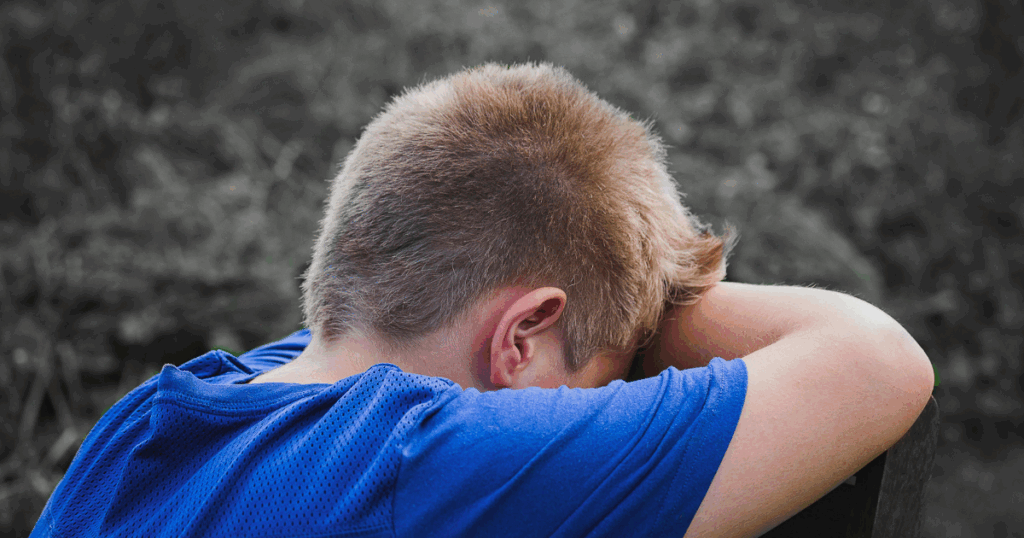
Community involvement often brings comfort during emotionally difficult seasons. Warm social environments, shared rituals, and opportunities to help others create emotional grounding and belonging.
Ways community support can uplift emotional well-being:
- Synagogue events provide ritual structure, spiritual grounding, and community warmth
- Chavurah gatherings offer intimate, friendship-based connections
- Volunteering restores purpose and reduces feelings of isolation
- Holiday food drives or charity projects encourage compassion and social bonding
- Jewish learning sessions deepen meaning and shared understanding
While community involvement is not a substitute for mental health treatment, it is a powerful supplement that supports emotional resilience.
Supporting Loved Ones Facing Depression During Hanukkah
If someone you love is struggling, small acts of compassion can make their holiday experience more bearable and meaningful.
Supportive actions include:
- Checking in with open-ended, nonjudgmental questions
- Offering flexible plans without pressure
- Reminding them they are valued and not alone
- Encouraging rest, therapy, or community involvement
- Adjusting expectations around gatherings
- Listening more than problem-solving
Sometimes the best support is simply being present and allowing loved ones to show up exactly as they are.
Lighting the Path Forward: Connect With Addiction Free Recovery
Healing from depression during Hanukkah involves compassion, community, and access to meaningful mental health care. Whether you’re navigating seasonal affective disorder, loneliness, grief, or holiday-related stress, you deserve support that honors your emotional needs and cultural identity.
Reach out to Addiction Free Recovery to explore specialized mental health resources, culturally informed therapy, and supportive care designed to help you find light and emotional grounding during Hanukkah and throughout the year.
FAQs
What are effective coping strategies for managing seasonal affective disorder and holiday blues during Hanukkah?
Effective strategies include increasing exposure to natural light, using light therapy, practicing grounding rituals, and engaging in gentle movement to improve mood. Setting realistic expectations and reducing holiday obligations can also help minimize stress. Many people find relief through therapy and community connection.
How can individuals deal with Hanukkah loneliness and grief during the holidays while managing family expectations and stress?
Managing loneliness and grief requires acknowledging emotions, creating intentional rituals, and seeking community connections. It is also helpful to set boundaries with family to reduce emotional burnout. Compassionate communication and flexible participation can ease pressure during gatherings.
Where can one find Jewish mental health resources and culturally responsive therapy options for depression during Hanukkah?
Jewish mental health services can be accessed through Jewish Family Services, synagogues, culturally responsive therapists, and online Jewish wellness networks. These resources offer support that is sensitive to spiritual, cultural, and holiday-related needs. Many organizations also provide sliding-scale options for accessibility.
How can community support through synagogue, chavurah, and volunteering help those experiencing depression during Hanukkah?
Community involvement reduces isolation and provides meaningful social connections. Participating in synagogue events, chavurah gatherings, or volunteer opportunities helps individuals feel grounded and supported. These environments foster belonging and often provide emotional or spiritual comfort.
What are some ways to support loved ones facing depression during Hanukkah and strengthen family connections?
Support can include checking in regularly, offering gentle flexibility, and creating space for loved ones to express emotions without pressure. Encouraging them to seek mental health care or participate in community activities can also be helpful. Strengthening family bonds often starts with empathy and open communication.