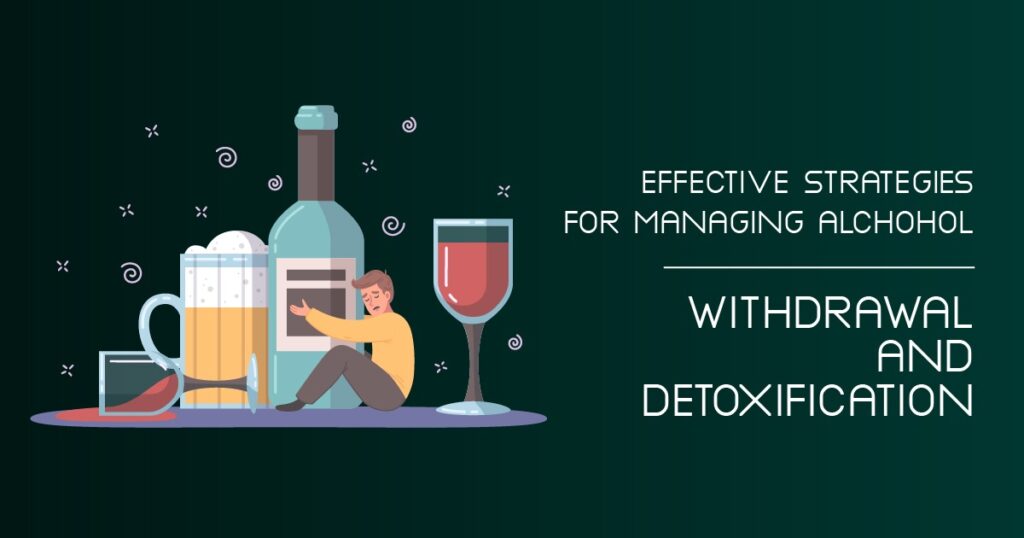
Alcohol withdrawal represents one of the most challenging aspects of recovery for individuals struggling with alcohol dependence. When someone who has been drinking heavily for an extended period suddenly stops or significantly reduces their intake, their body must adjust to functioning without alcohol. This adjustment period, known as alcohol withdrawal, can produce a range of physical and psychological symptoms that vary in severity based on factors such as duration of use, amount consumed, and overall health status.
The alcohol detox process is the critical first step toward recovery, requiring careful planning and often professional supervision. Understanding what to expect during this period and implementing effective withdrawal management strategies can significantly improve outcomes and reduce the risk of complications. Whether you’re considering quitting alcohol for the first time or supporting someone through their recovery journey, knowledge about the detoxification process is essential for success.
Recognizing Withdrawal Symptoms
Alcohol withdrawal symptoms typically begin within six to 24 hours after the last drink and can range from mild to severe. Early recognition of these symptoms is crucial for ensuring safety and seeking appropriate medical intervention when necessary.
Common withdrawal symptoms include:
- Anxiety and restlessness
- Tremors or shaking, particularly in the hands
- Sweating and increased heart rate
- Nausea and vomiting
- Headaches and difficulty concentrating
- Insomnia and disturbed sleep patterns
- Irritability and mood swings
More severe symptoms may develop in cases of significant alcohol dependence:
- Hallucinations (visual, auditory, or tactile)
- Seizures
- Delirium tremens (DTs), characterized by confusion, rapid heartbeat, and fever
- Severe agitation and disorientation
The severity and duration of withdrawal symptoms depend on several factors, as outlined in the following table:
| Factor | Impact on Withdrawal |
| Duration of Alcohol Use | Longer periods of heavy drinking typically result in more severe and prolonged withdrawal symptoms |
| Amount Consumed Daily | Higher daily consumption correlates with increased symptom severity and potential complications |
| Previous Detox Attempts | Multiple previous withdrawals can lead to the “kindling effect,” where each subsequent withdrawal becomes more severe |
| Overall Health Status | Pre-existing medical conditions, nutritional deficiencies, and liver damage can complicate withdrawal |
| Co-occurring Substance Use | Use of other substances alongside alcohol can intensify withdrawal symptoms and increase risks |
| Age and Genetics | Older individuals and those with genetic predispositions may experience more challenging withdrawals |
Steps to Safely Quitting Alcohol
Quitting alcohol requires careful planning and consideration, particularly for those with moderate to severe alcohol dependence. The approach to alcohol cessation should be tailored to individual circumstances and risk factors.

Assess Your Situation: Before attempting to quit, honestly evaluate your drinking patterns, previous attempts at quitting, and any medical or psychological conditions that may affect withdrawal. This self-assessment helps determine whether medical supervision is necessary.
Consult Healthcare Professionals: For those who have been drinking heavily or for extended periods, a medical evaluation is essential. Healthcare providers can assess withdrawal risks, prescribe medications to ease symptoms, and monitor for complications.
Create a Support System: Identify friends, family members, or support groups who can provide encouragement and assistance during the detox period. Having someone available for emergencies and emotional support significantly improves outcomes.
Prepare Your Environment: Remove alcohol from your home, avoid triggering situations, and establish a safe, comfortable space for the detox period. Stock up on healthy foods, hydration options, and items that promote comfort and relaxation.
Develop a Structured Plan: Establish a timeline for quitting, whether through gradual reduction or complete cessation under medical supervision. Include plans for managing cravings, dealing with stress, and maintaining sobriety after the initial detox period.
The Role of Alcohol Rehab in Recovery
Alcohol rehab programs provide comprehensive support that extends far beyond the initial detoxification process. These structured environments offer medical supervision, therapeutic interventions, and tools for long-term recovery success.
Professional rehab facilities address multiple aspects of recovery:
- Medical stabilization during the acute withdrawal phase with 24/7 monitoring
- Medication management to reduce withdrawal symptoms and cravings
- Individual therapy to address underlying psychological factors contributing to alcohol dependence
- Group counseling to build peer support and learn from others’ experiences
- Family therapy to repair relationships and create a supportive home environment
- Life skills training to develop healthy coping mechanisms and stress management techniques
- Aftercare planning to maintain sobriety following program completion
The structured nature of alcohol rehab removes individuals from environments where drinking occurred and provides focused attention on recovery. This separation from daily triggers and stressors allows participants to concentrate fully on healing and developing the skills necessary for sustained sobriety.
Managing Alcohol Dependence
Alcohol dependence is a chronic condition characterized by physical and psychological reliance on alcohol. Managing this dependence requires understanding its nature and implementing comprehensive strategies for recovery.
The following table outlines key aspects of managing alcohol dependence:
| Management Component | Description | Benefits |
| Medical Assessment | Comprehensive evaluation of physical and mental health, including screening for co-occurring disorders | Identifies complications, determines appropriate treatment level, and establishes baseline health markers |
| Medication-Assisted Treatment | Use of FDA-approved medications such as naltrexone, acamprosate, te, or disulfiram | Reduces cravings, blocks euphoric effects of alcohol, and supports abstinence maintenance |
| Behavioral Therapies | Evidence-based approaches, including cognitive-behavioral therapy (CBT), motivational interviewing, and contingency management | Addresses thought patterns, increases motivation for change, and reinforces positive behaviors |
| Support Groups | Participation in peer-led groups such as Alcoholics Anonymous or SMART Recovery | Provides ongoing support, accountability, and connection with others in recovery |
| Lifestyle Modifications | Changes in daily routines, social circles, stress management, and self-care practices | Creates new patterns that support sobriety and overall well-being |
Understanding the Detoxification Process
The detoxification process involves allowing the body to eliminate alcohol while managing withdrawal symptoms safely. This process typically unfolds in stages, each with distinct characteristics and challenges.
Stage 1 (6-12 hours): Early symptoms emerge, including anxiety, nausea, insomnia, and tremors. While uncomfortable, these initial symptoms are generally manageable with proper support and hydration.
Stage 2 (12-48 hours): Symptoms intensify and may include increased heart rate, elevated blood pressure, confusion, and mood disturbances. This is when more serious symptoms like seizures can occur, making medical monitoring crucial.
Stage 3 (48-72 hours): Peak symptom severity typically occurs during this window. Delirium tremens may develop in severe cases, requiring immediate medical intervention. Hallucinations, severe confusion, and autonomic instability characterize this dangerous phase.
Stage 4 (4-7 days): Acute physical symptoms begin to subside, though psychological symptoms like anxiety, depression, and sleep disturbances may persist. The body continues adjusting to functioning without alcohol.
Throughout the detoxification process, medical professionals may administer benzodiazepines or other medications to reduce seizure risk and manage symptoms. Hydration, nutritional support, r, and monitoring of vital signs remain essential throughout all stages. The duration and intensity of detox vary significantly between individuals, with some experiencing prolonged symptoms requiring extended medical support.
Effective Withdrawal Management Techniques
Successful withdrawal management combines medical intervention with supportive care strategies that address both physical and psychological needs during alcohol cessation.
Medical Interventions: Healthcare providers may prescribe medications to reduce withdrawal severity and prevent complications. Benzodiazepines remain the gold standard for managing alcohol withdrawal, while other medications address specific symptoms such as nausea, insomnia, or cardiovascular changes.
Nutritional Support: Chronic alcohol use often leads to nutritional deficiencies, particularly thiamine (vitamin B1), which is essential for preventing serious neurological complications. A balanced diet rich in vitamins, minerals, and protein supports healing and recovery.
Hydration: Maintaining proper fluid balance helps flush toxins from the system and reduces physical discomfort. Water, electrolyte solutions, and herbal teas provide hydration without added sugars or caffeine that might exacerbate symptoms.
Rest and Stress Reduction: Adequate sleep, when possible, supports the body’s healing processes. Relaxation techniques such as deep breathing, meditation, or gentle stretching can help manage anxiety and promote calmness during the withdrawal period.
Environmental Comfort: A quiet, comfortable setting with appropriate lighting and temperature control reduces sensory overstimulation that can worsen withdrawal symptoms. Having trusted individuals nearby for support and safety monitoring proves invaluable during this vulnerable time.

Breaking Free: Your Path Forward
Recovery from alcohol dependence is a journey that extends well beyond the initial detoxification process. While alcohol withdrawal presents significant challenges, it represents the essential first step toward reclaiming health, relationships, and quality of life. The strategies outlined above provide a foundation for safely navigating this critical transition period.
If you or someone you care about is struggling with alcohol dependence, professional support makes all the difference. Addiction Free Recovery specializes in comprehensive treatment approaches that address every aspect of recovery, from medically supervised detox to ongoing support for sustained sobriety. Their experienced team understands the complexities of alcohol withdrawal and provides personalized care tailored to individual needs.
Don’t face this challenge alone. Contact Addiction Free Recovery today to learn more about their programs and take the first step toward a healthier, alcohol-free future. Recovery is possible, and with the right support, you can break free from alcohol dependence and build the life you deserve.
FAQs
1. What Are Common Withdrawal Symptoms During the Alcohol Detoxification Process?
Common withdrawal symptoms during alcohol detoxification include anxiety, tremors, sweating, nausea, headaches, insomnia, and irritability. In more severe cases, individuals may experience hallucinations, seizures, or delirium tremens, which require immediate medical attention. The severity of symptoms depends on factors such as duration of alcohol use, amount consumed, and overall health status.
2. How Can One Safely Manage Alcohol Dependence When Quitting Alcohol?
Safely managing alcohol dependence when quitting requires professional medical evaluation to assess withdrawal risks and determine the appropriate level of care. Medical supervision ensures access to medications that reduce withdrawal symptoms and prevent complications, while also providing monitoring for dangerous symptoms like seizures. Building a strong support system, creating a structured treatment plan, and engaging in therapy help address both the physical and psychological aspects of dependence.
3. What Role Does Alcohol Rehab Play in Withdrawal Management and Recovery?
Alcohol rehab provides comprehensive medical supervision during the acute withdrawal phase while offering therapeutic interventions that address the underlying causes of alcohol dependence. These programs combine medication management, individual and group counseling, family therapy, and life skills training in a structured environment that removes individuals from triggering situations. Rehab facilities also develop personalized aftercare plans to support long-term sobriety beyond the initial detoxification period.
4. What Steps Should Be Taken for Effective Alcohol Cessation and Withdrawal Management?
Effective alcohol cessation begins with honest self-assessment and consultation with healthcare professionals to determine the safest approach for your situation. Key steps include creating a strong support system, preparing your environment by removing alcohol and triggers, and developing a structured plan with clear goals. Medical supervision provides access to medications that ease withdrawal symptoms, while ongoing therapy and support groups address the psychological aspects of recovery.
5. How Does the Detoxification Process Help in Overcoming Alcohol Dependence?
The detoxification process allows the body to eliminate alcohol and readjust to functioning without it, which is the necessary foundation for all subsequent recovery work. During detox, medical professionals manage withdrawal symptoms safely, preventing complications and providing physical stabilization. This process breaks the cycle of physical dependence and creates a clear starting point for addressing the psychological, behavioral, and social aspects of alcohol dependence through therapy, counseling, and ongoing support services.